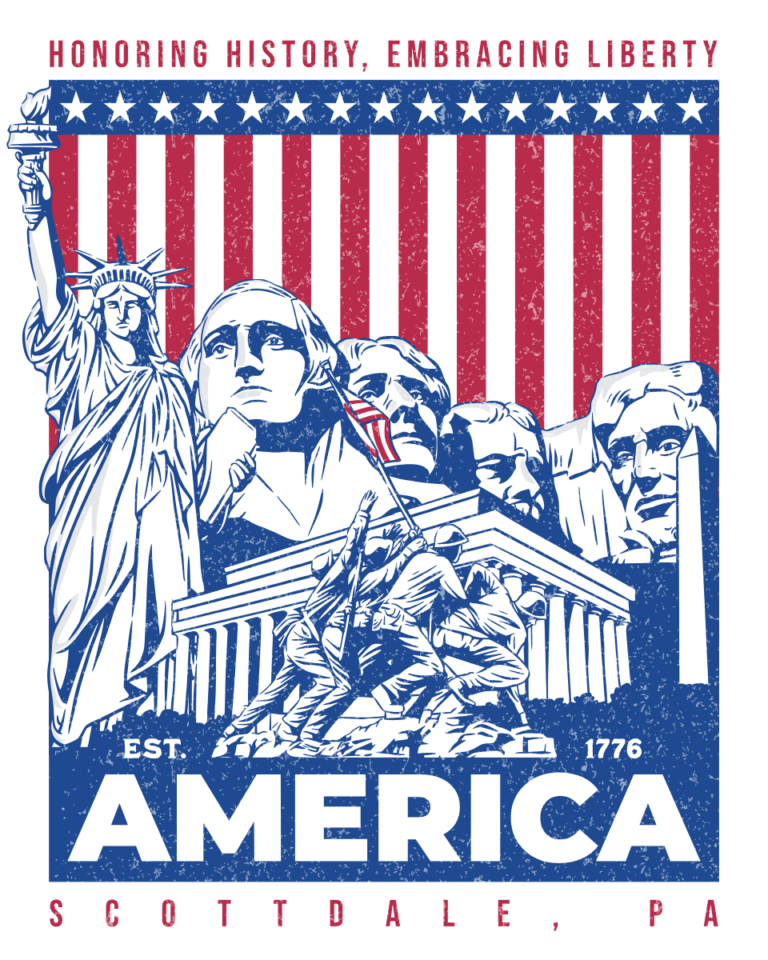
Two hundred and fifty years ago, a group of ordinary people — farmers, printers, merchants, and tradesmen — declared that human beings have the right to shape their own destiny. They wrote it plainly, without ornament or apology: that all people are created equal, that rights come from God and not from kings, and that free communities have the authority to govern themselves. Those words launched the American experiment, a test of whether a nation built on liberty could survive the storms of history and the weight of its own ideals.
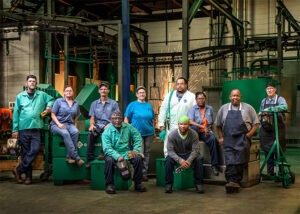 That experiment did not unfold in marble halls alone. It was carried forward in towns like ours, by people whose names never appeared in textbooks but whose labor built the country’s strength. Scottdale’s story is woven into that national fabric. The coke that fired the steel that built America passed through this valley. The rail lines that stitched the nation together ran through our streets. The workers who rose before dawn, who endured heat, danger, and exhaustion, were part of the same American promise the founders wrote about: that free people, given the chance, can build something greater than themselves.
Patriotism in a place like this has never been a performance. It has always been a practice. It is the quiet pride of families who sent sons and daughters into military service. It is the memory of mill workers and miners who kept faith with their communities even when the work was hard and the future uncertain. It is the belief — stubborn, sometimes battered, but never extinguished — that this country is worth improving, worth defending, and worth celebrating.
As America marks its 250th year, we are invited to reflect not only on the founding moment but on the generations who carried its ideals forward. The Declaration was not a conclusion; it was a beginning. Every generation since has been asked to decide whether liberty is still worth the effort. Whether equality is still worth the struggle. Whether self‑government is still worth the responsibility.
A small town can answer those questions as powerfully as any capital city. We answer them when we preserve our history instead of letting it fade. We answer them when we teach our children where they come from and what was sacrificed before they arrived. We answer them when we choose community over cynicism, participation over apathy, and pride over indifference.
The 250th anniversary is not just a date on a calendar. It is a reminder that the American experiment continues — here, now, in the choices we make and the stories we tell. Scottdale’s chapter in that story is real and meaningful. We helped build the nation once. We can help honor it now.
And perhaps that is the truest form of patriotism: not flag‑waving or slogans, but the steady work of remembering who we are, what we inherited, and what we owe to the future.